Chunk Schedudeler
Provides efficient and controlled chunk loading optimized for server operation without overloading.
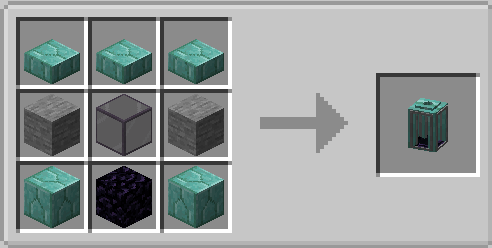
Main "Scheduler" Block
The modification adds a single block - Schedudeler, which can continuously load surrounding chunks while gradually consuming stored energy.
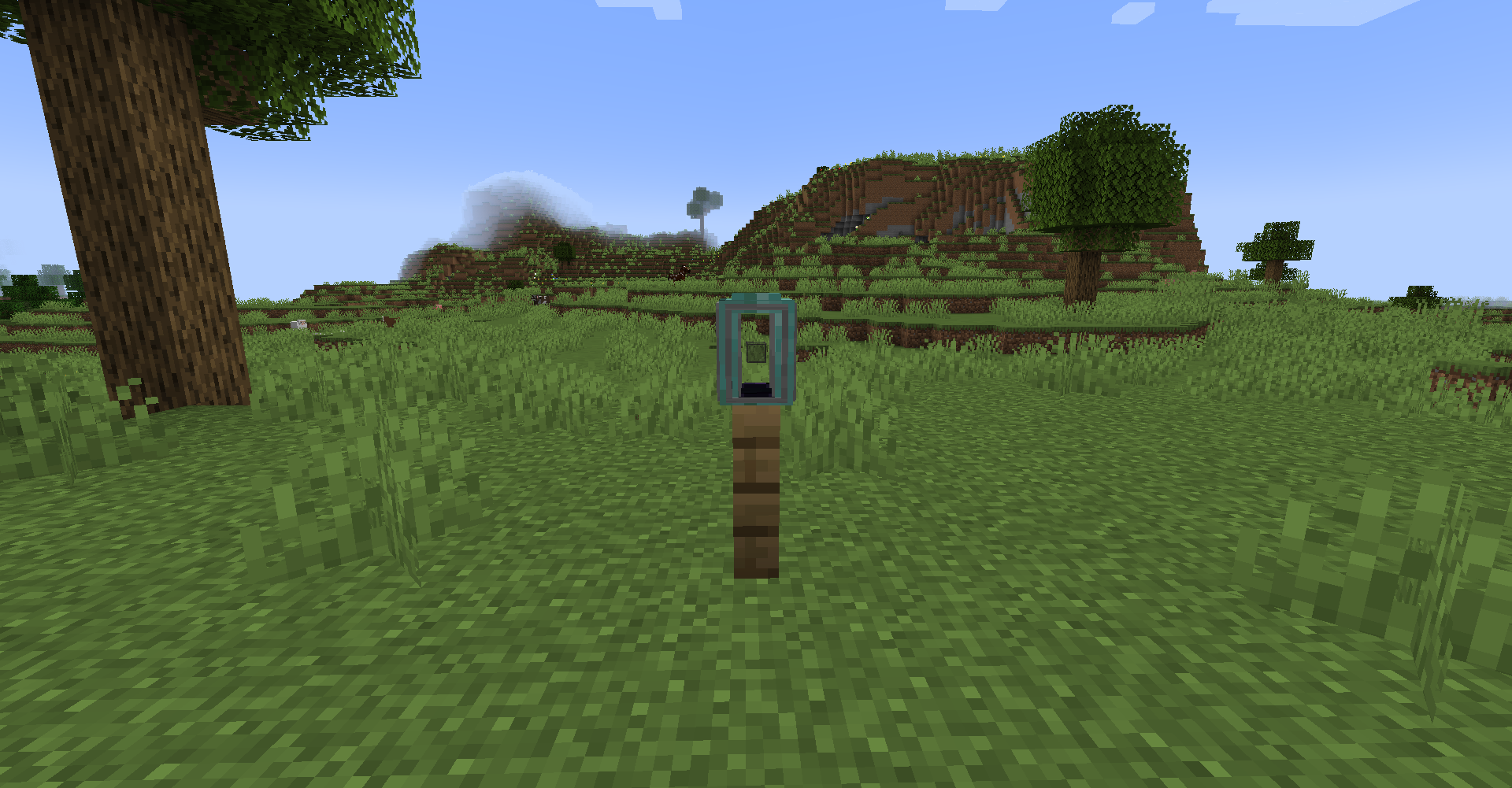
After placement, the scheduler is completely discharged. It can be charged by right-clicking. It also automatically recharges when players are nearby (within 24 blocks) or when the device's owner is online. Base capacity is 576000 ticks (8 hours).
The scheduler in its initial state is unowned (public) and has a loading radius of 0, meaning it loads only the chunk where it's placed.
Important: Schedudeler loses charge only during active chunk loading.
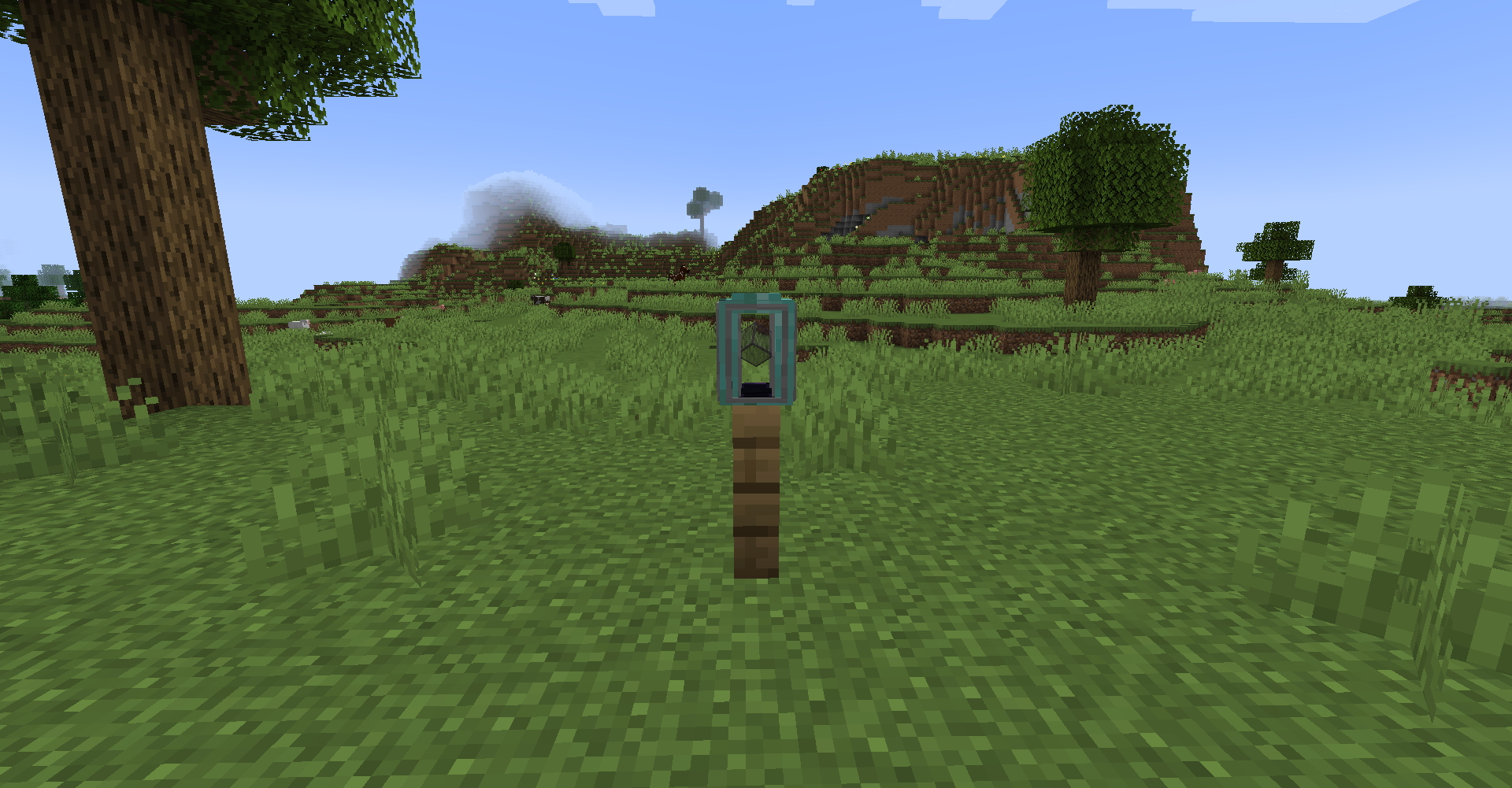
The central tinted glass block changes appearance and begins pulsing when the scheduler is charged or active.
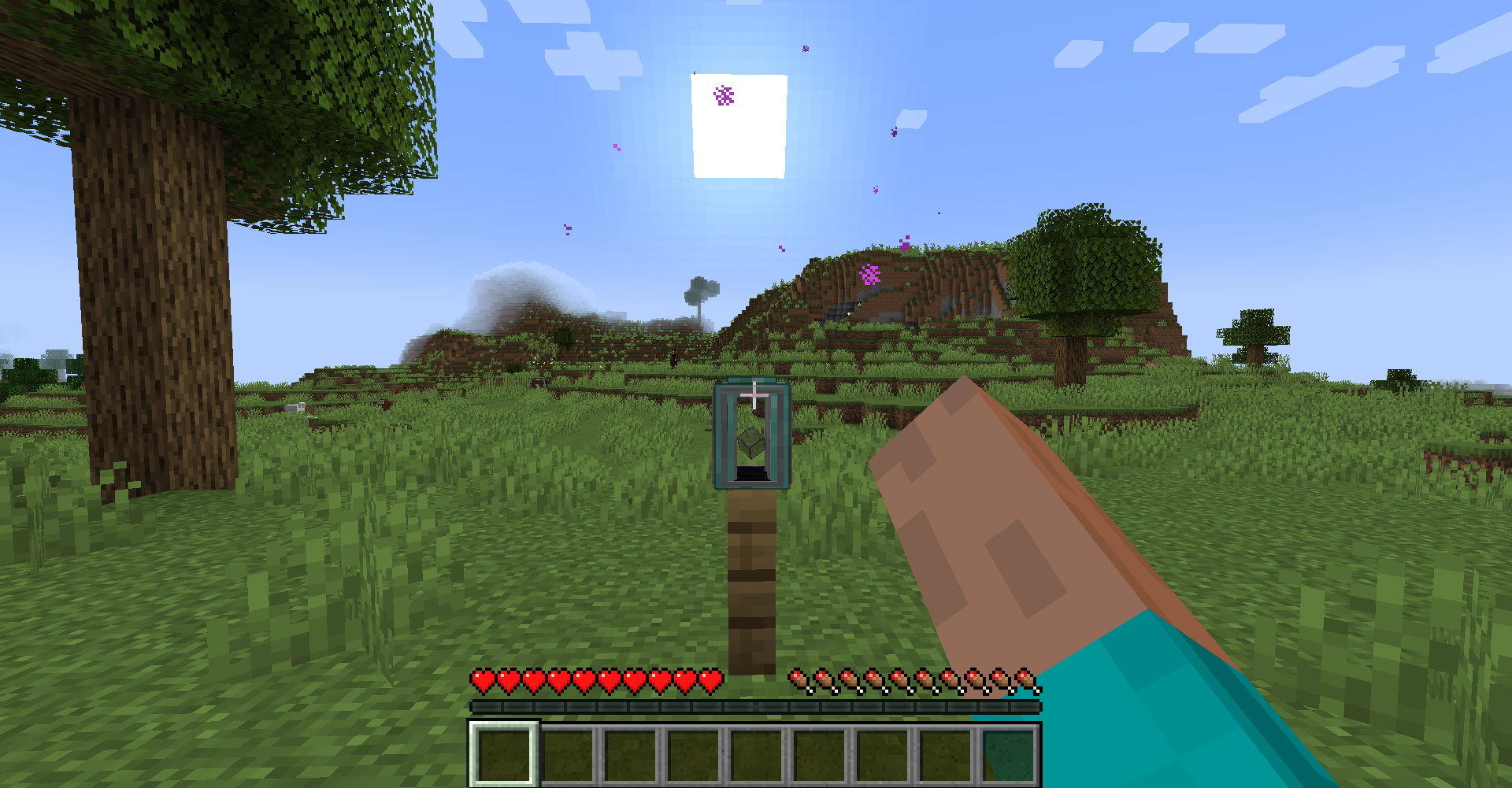
When attempting to manually recharge an already full Schedudeler, it emits particles.
Upgrade System
Iron Upgrade
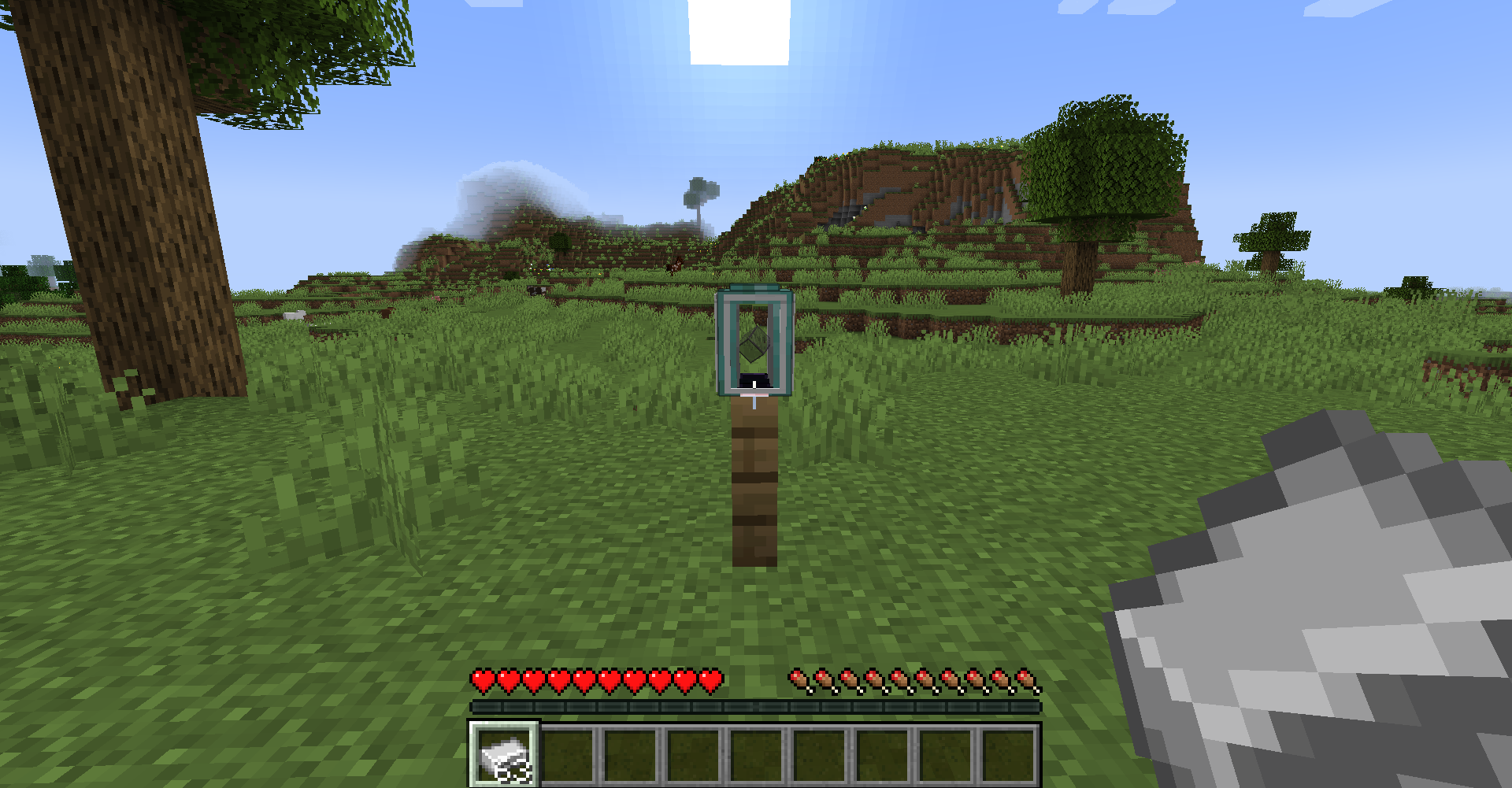
Applying an iron ingot increases maximum charge to 1728000 ticks (24 hours).
Upgrades can be applied independently of each other.
Gold Upgrade
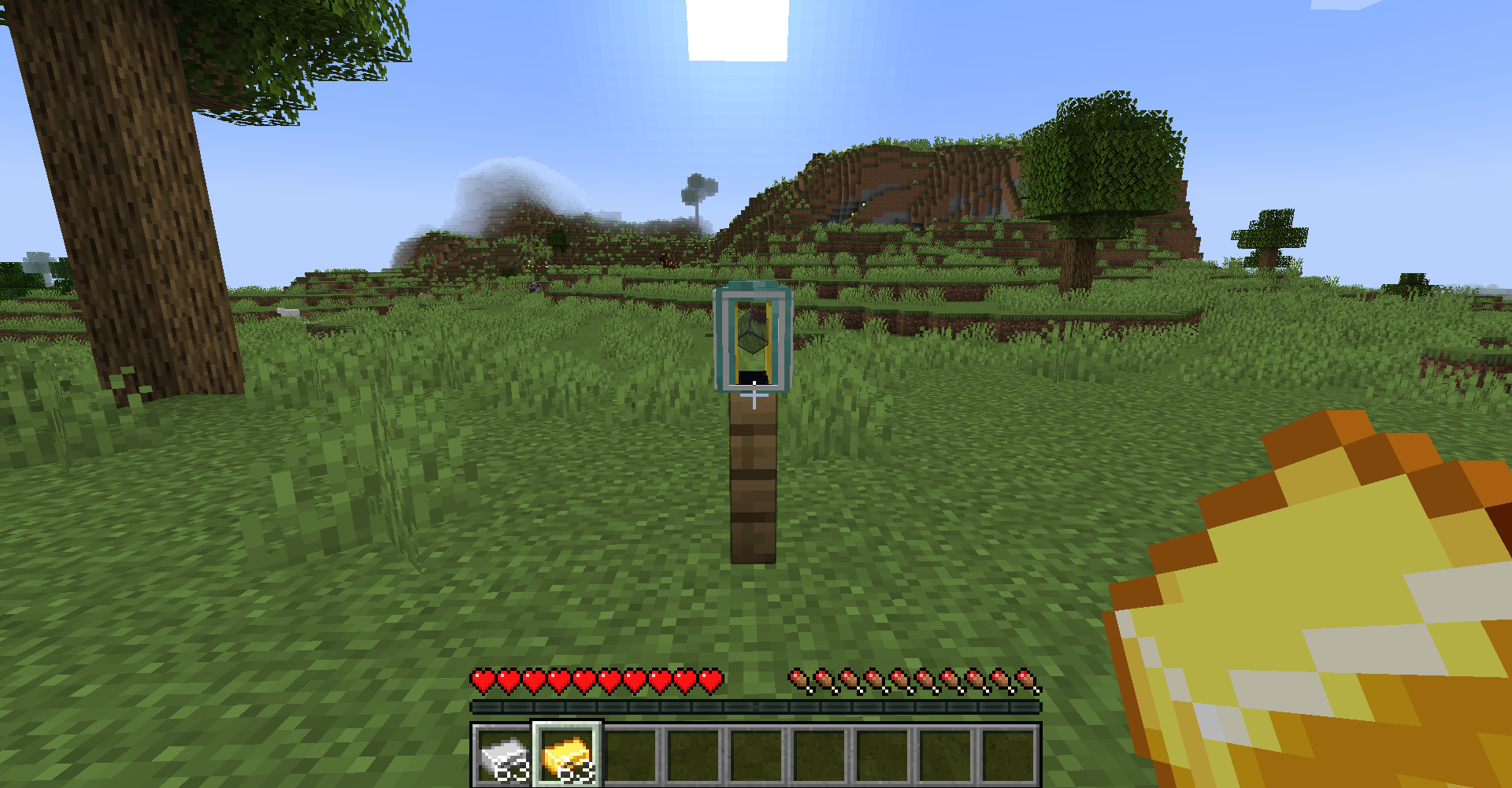
A gold ingot expands the loading radius to 1, allowing loading of a 3x3 chunk area.
Developers intentionally limited the maximum radius to 1 to encourage installation of multiple small loaders instead of one large one. This helps the scheduling algorithm fairly distribute loading among different players.
Ender Upgrade
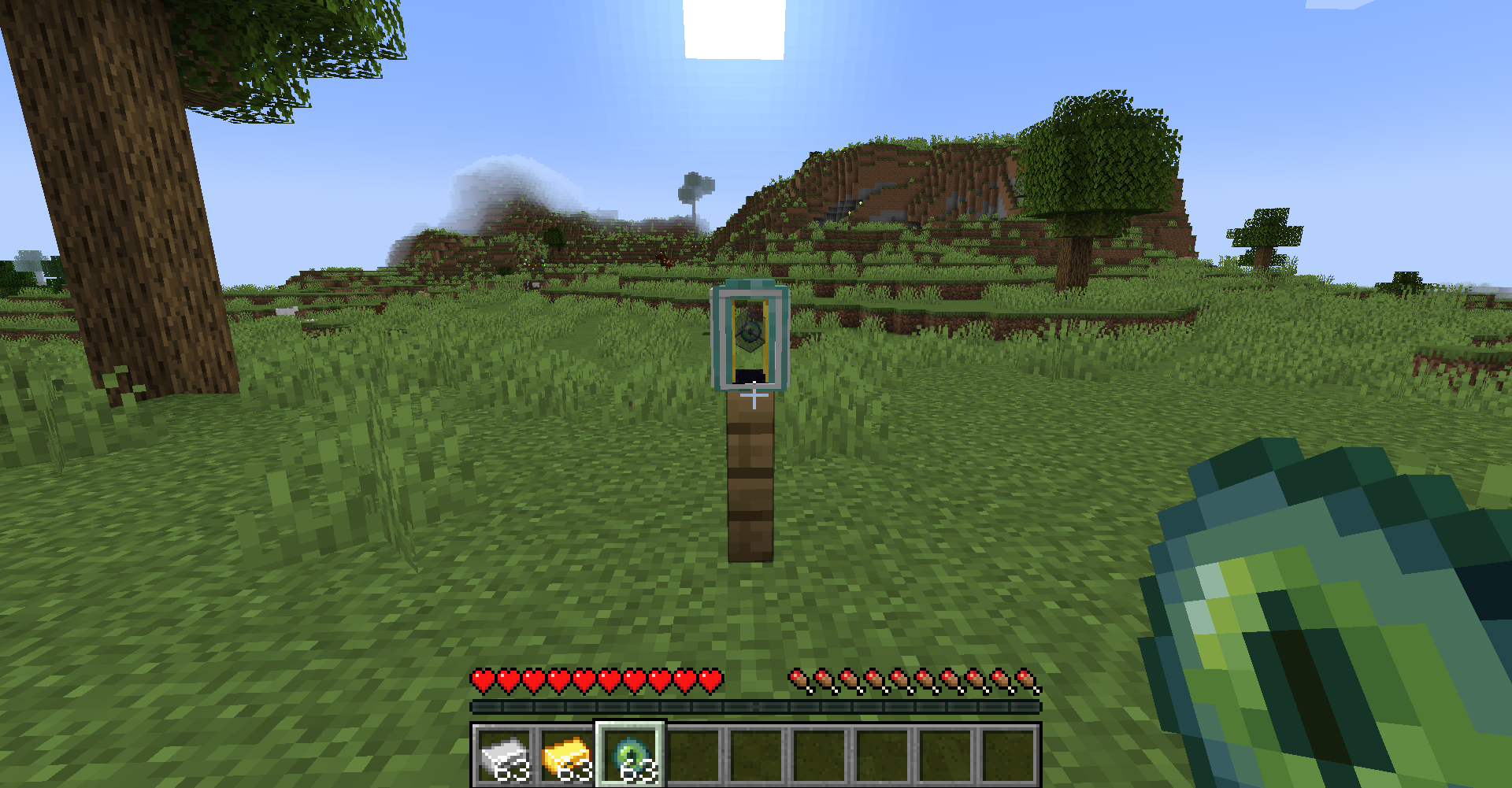
An ender eye allows claiming ownership by a specific player, providing advantages:
- Automatic recharging when the owner is online (regardless of distance)
- Consideration of personal and public loader ratio during loading planning
Chain Upgrade
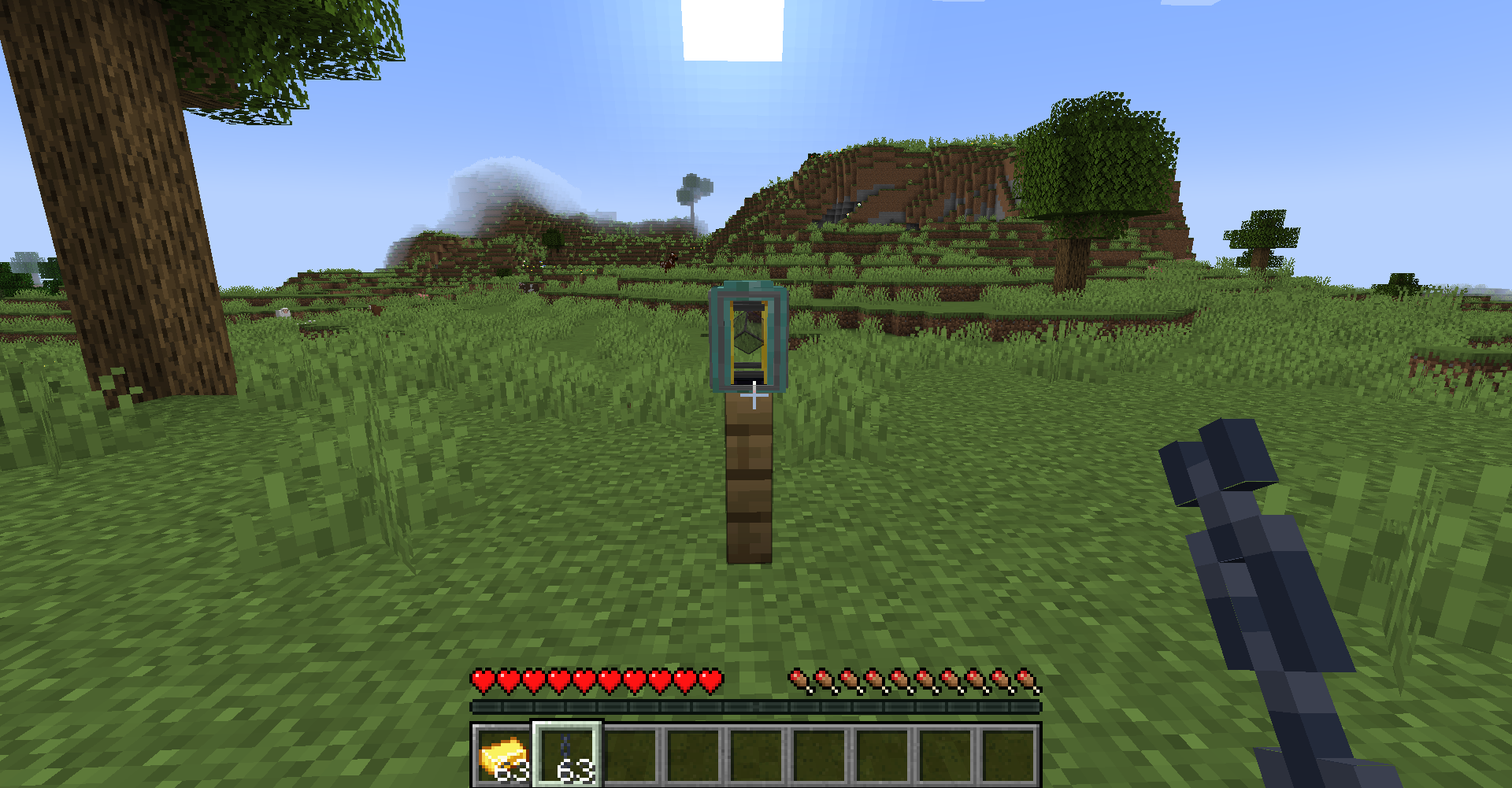
A chain link locks the device, preventing accidental application of further upgrades.
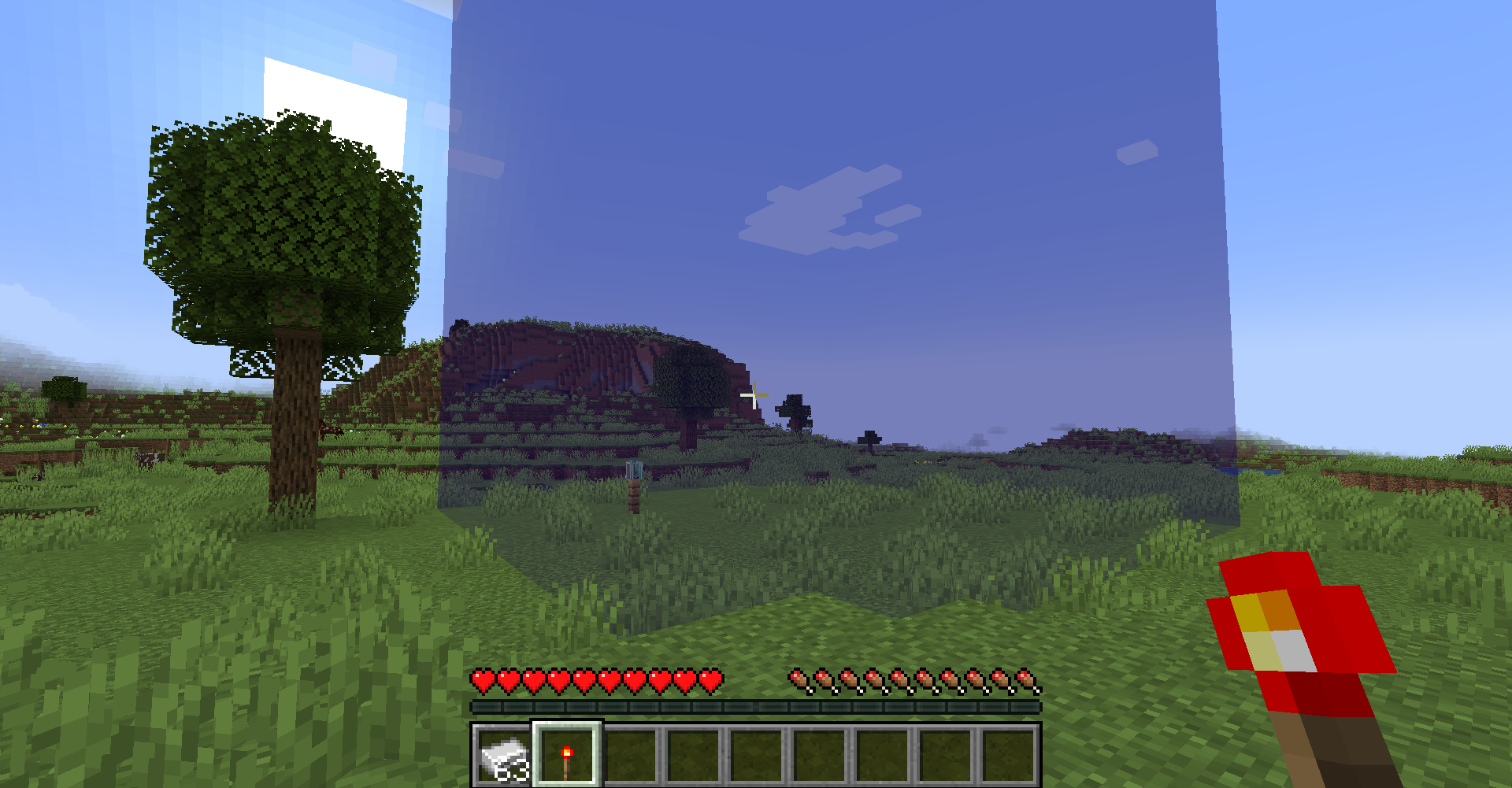
Right-clicking with a redstone torch displays a temporary visualization of the loaded area (chunk boundaries), visible only to the activating player for a short time. The torch is not consumed.
Chunk Rotation Algorithm
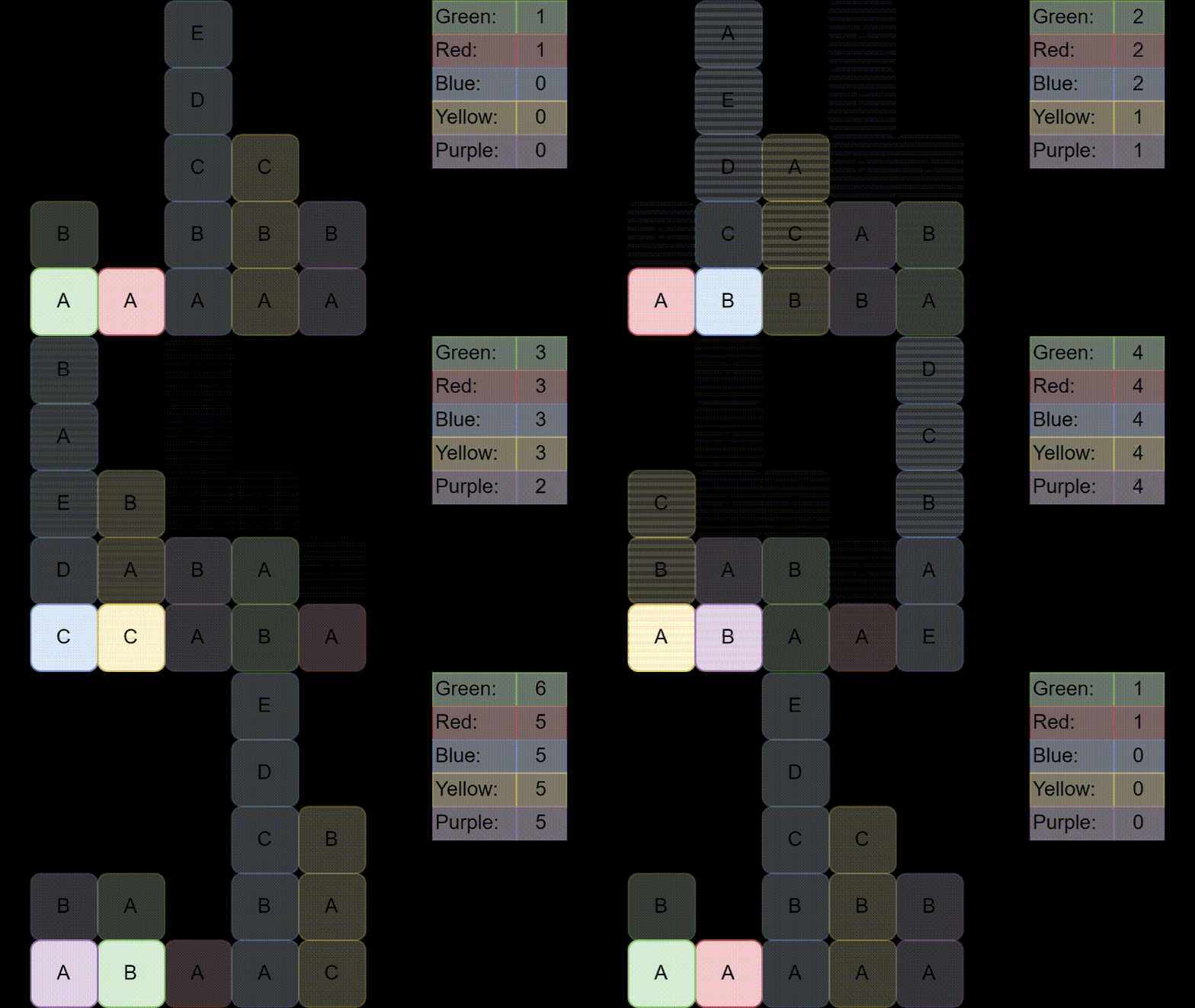
The key feature of the mod is the scheduling system that simultaneously activates only a limited number of loaders (default 8 per dimension). The algorithm creates a queue and alternately activates loader groups for short periods (80 ticks).
The system accounts for the number of devices per owner and public loaders, ensuring equal activation time distribution among all participants.
Simple example: Imagine 2 loaders activating simultaneously. If player Red has only 1 device, and player Blue has 100, each activation cycle will include one from Red and the next from Blue's queue. To process all of Blue's devices, 100 cycles are needed, with Red's single loader activating all 100 times.
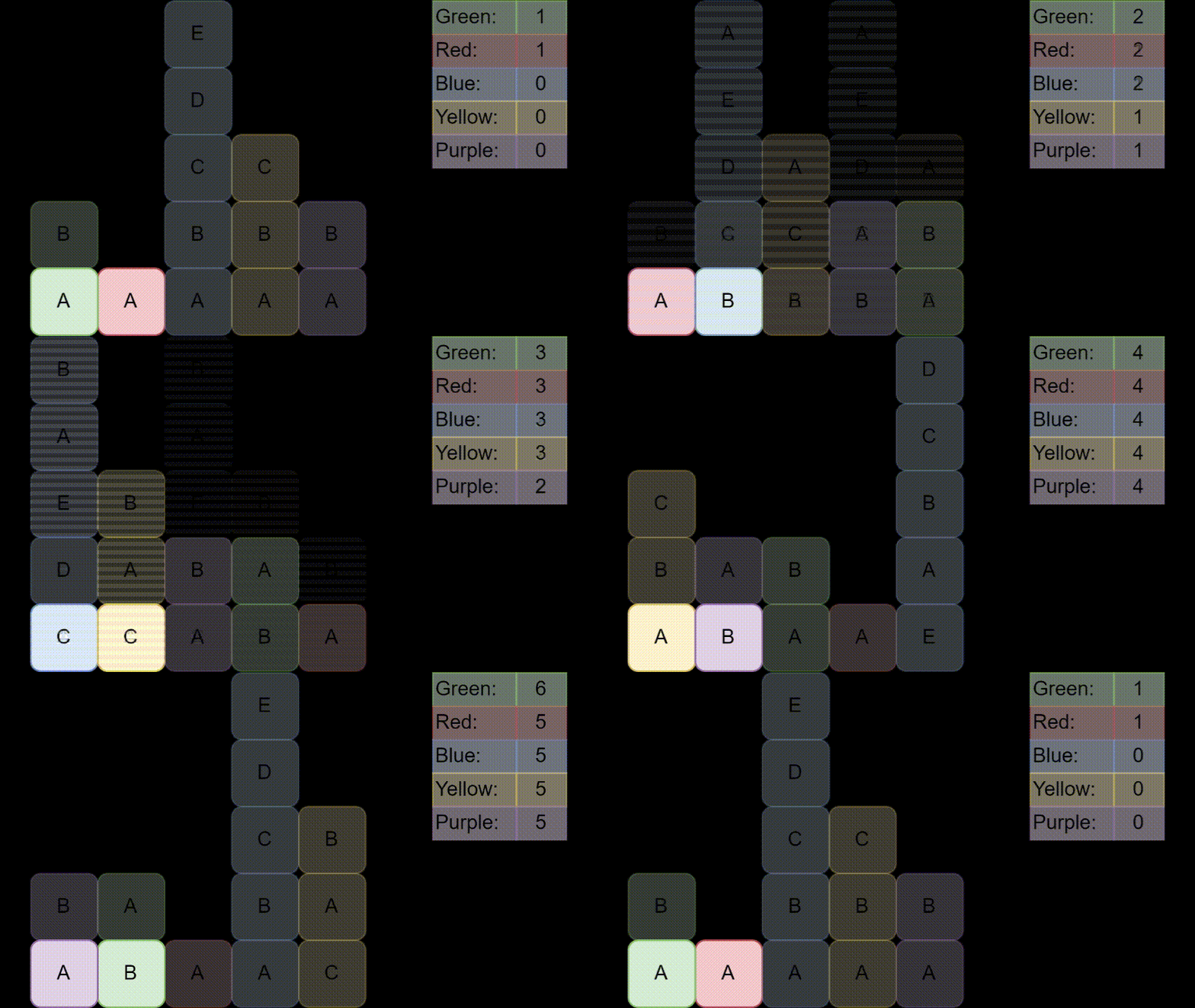
Visualization of the scheduler in action
Configuration Settings
| Parameter | Description | Default |
|---|---|---|
maxActiveChunkLoaders |
Maximum number of simultaneously active loaders | 8 |
maxChunkLoaderCharge |
Total maximum charge in ticks | 576000 |
ticksOfActiveChunkLoading |
Group activation duration (ticks) | 80 |
rechargeFactorRightClick |
Recharge percentage per click | 0.1 |
rechargeFactorPlayersNearby |
Recharge percentage per tick with players nearby | 0.05 |
rechargeFactorOwnerOnline |
Recharge percentage per cycle with owner online | 0.1 |
rechargeRadiusPlayersNearby |
Player search radius for recharging | 24 |
ironUpgradeBonusCharge |
Charge bonus from iron upgrade | 1152000 |
goldUpgradeBonusRadius |
Radius bonus from gold upgrade | 1 |
Administrator Commands
All commands require at least access level 1:
chunkschedudeler get <blockPos> [charge|radius|owner|locked]- Retrieves information about specific loader
Frequently Asked Questions
Is there a limit on the number of loaders per player? No.
How does unlimited number of loaders affect performance? Performance remains stable since only the configured number of devices are active simultaneously.
Could a loader never activate? No, as long as it has charge, it will eventually reach its turn.
Can the system be circumvented by placing many loaders in one area? No, this will reduce the activation frequency of each device for that player.
Important note: During testing, it was observed that chunks adjacent to forcibly loaded ones also load automatically. Therefore, a device with radius 0 actually loads a 3×3 chunk area, and with radius 1 - a 5×5 chunk area.